Digital employee experience: The importance of tools and tech
.png)

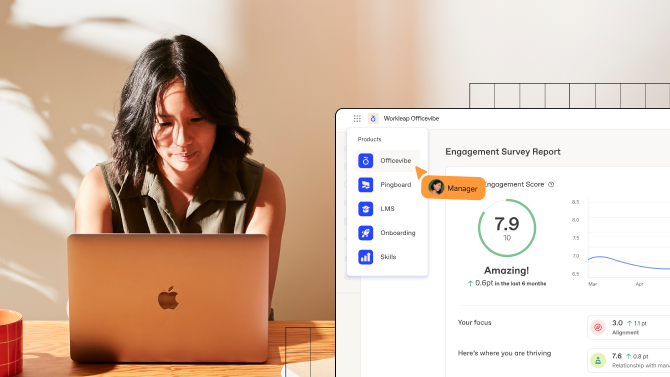
Technology is an integral part of the modern business, so why do so many companies fail to focus on digital employee experience (DEX)? As more businesses embrace hybrid and remote work, managing DEX is more essential than ever.
A better DEX translates to boosted productivity, retention, and employee satisfaction. In this guide, we lay out why it’s important, offer tips for building a robust DEX strategy, and share common pitfalls to avoid.
What is the digital employee experience, and why is it important?
DEX refers to employees’ total experience of your digital tools and technologies. The right tech enables more efficient workflows and better communication, meaning less frustration and burnout, and boosted engagement, retention, and productivity.
Fast, flexible network connections are also a key part of the digital experience, especially for remote workers. Without in-person contact, digital tools are the only way these employees can share ideas, solve problems, and collaborate on projects.
Finally, DEX is a core part of digital transformation. As companies move to the cloud, access to data must be seamless for everyone—whether they’re on-site or working remotely.
5 components of a strong digital employee experience
Here are five core DEX components to keep in mind when building your strategy.
1. Seamless digital workflows
Digital tools should enhance your employees’ workflows, rather than getting in the way. Effective tech will mean your team spends less time struggling with software and data and more time working on what matters.
But forcing employees to struggle with a glitching application that bugs out their computer will aggravate and slow them down. Use automated tools to identify crashes and downtime, so you know when tech’s working and when it’s not. Getting rid of poorly optimized tools will lead to a smoother workflow and fewer frustrations.
2. Effective communication and collaboration
Effective communication is essential if teams are to work well together. When employees need help or have to pass on important information, digital tools can help them reach the appropriate person.
Whether you use Slack, Microsoft Teams, or another messaging service, these platforms are where your employees spend a good chunk of their workday. Making sure people know how to use them and how to communicate with their colleagues is an essential part of DEX.
3. Continuous feedback and recognition
According to Gallup, well-recognized employees are 45% less likely to have moved companies two years later. Offering feedback and recognition for a job well done directly increases engagement and satisfaction.
Consider implementing a digital wall or custom Slack channel that encourages the sharing of wins. It’ll boost motivation, help build relationships between your team, and is an especially effective way of showing appreciation for remote workers.
Use digital employee experience tools like Workleap Officevibe to gain valuable insights into employee sentiment and offer praise when it’s deserved. Officevibe’s AI insights will also help you spot any points of friction and address them before they become a problem.
4. Personalized learning and growth
A higher-skilled workforce is a more productive workforce. Focusing on your team’s development ensures they have the know-how to face any challenges. Digital tools can streamline access to the resources and opportunities employees need and help them set goals. Online learning platforms and portals also mean your workers can learn new skills remotely, at a rate that suits them.
5. Well-being and inclusion
To a remote worker, the digital workplace is their only workplace. With so many companies adopting remote or hybrid work, it’s easy for employees to feel disconnected and isolated. When this happens, they’re likely to disengage from the company and their colleagues, lose focus, and even burn out.
Using digital employee experience solutions to check in with employees and build opportunities for connection can make a real difference to your team’s well-being. Try arranging team-building activities through Slack, like quick catch-ups that have nothing to do with work.
5 steps to building a digital employee experience that works
Focusing on DEX can transform your workplace. These five steps will help you boost engagement and satisfaction:
- Gather feedback: Talk to your employees to learn about any areas of friction when they use digital tools and technologies. This’ll help you identify the applications and processes that slow down their work and frustrate them. Ask for recommendations of platforms they think could improve their digital experience.
- Align DEX with company culture: To evaluate whether your DEX is in line with your company culture, ask whether your current digital toolset contributes to achieving your business goals. If it doesn’t, assess why this is the case and consider creating a list of more appropriate tools.
- Choose tools that empower people: DEX benefits businesses by benefitting employees. Choose tools that eliminate unnecessary tasks, improve access to data, simplify training and development, and connect distributed teams. Consider whether automation could help your team work more effectively.
- Reinforce digital habits: Track your team’s engagement with digital tools to see what’s working and what’s not. If you make any changes to your digital strategy, share them with your team to encourage them to build better working habits.
- Continuously improve: An effective DEX strategy isn’t something you set and forget. It’s a continuous process that requires regular assessment using feedback from your team. Tools like Workleap Officevibe’s pulse surveys can help you review DEX on an ongoing basis.
Digital employee experience pitfalls to avoid
These pitfalls and challenges can compromise your DEX strategy. Here’s what to avoid:
- Overly complex systems: Requiring workers to use a wide range of digital tools from multiple manufacturers can lead to confusion. If you’re using several similar platforms, your team might even need to replicate their work, wasting their time and yours.
- Focusing on tech over people: DEX is about people first. Focusing too heavily on potential productivity gains over usability will frustrate your employees.
- Not setting goals or measuring progress: If you don’t measure DEX using trackable metrics, you won’t know what’s wrong and how to improve.
- Doing too much too quickly: No matter how user-friendly your toolset is, asking employees to learn several new tools at once will be overwhelming. Phase them in gradually, with feedback from your workforce.
- Not reviewing your strategy: A DEX strategy needs to be reviewed and iterated on to be effective. An outdated approach won’t consider any new tools or your team’s developing needs.
Powering better digital employee experiences with Workleap
A strong DEX strategy will help you understand both your technology and how people work with it. Get it right, and you’ll learn which tools boost engagement and collaboration, and which cause frustration.
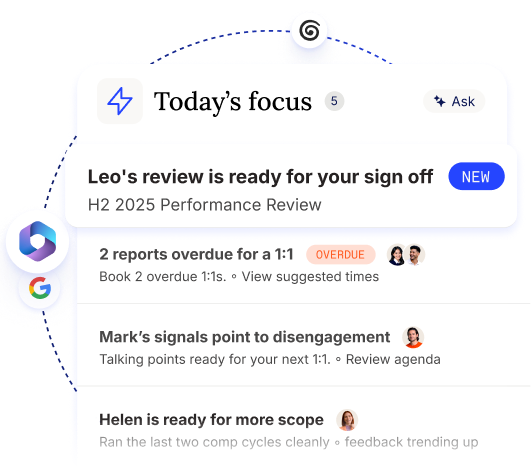
Workleap can help you build an effective DEX strategy and keep your digital transformation on track. Figure out what’s working and what’s not with Workleap Officevibe’s pulse surveys and AI-powered analytics. You can also use Workleap Performance to connect to employees in real time, through 1-to-1s and performance reviews.
Find out how you can build a better DEX approach by requesting a Workleap demo today.
FAQs
What is digital employee experience software?
There are many tools and technologies to help manage your DEX strategy. These include:
- Workleap: Officevibe gives you real-time insight into your workforce’s engagement and satisfaction, Performance helps you prepare and deliver regular performance measurement reviews, and Compensation gives you the tools to set up and track pay structures.
- Nexthink Infinity: An integrated tool suite that provides insights into employees’ daily experiences of technology at the device level.
- Microsoft Viva: Provides tools to build relationships and connections in the workforce, and provides insight into performance, productivity, and employee satisfaction.
What are some examples of digital employee experience strategies?
Companies can implement a DEX strategy in many different ways, depending on their unique structure and culture.
For example, a construction company might struggle to connect its employees across its warehouse and retail locations. Since its employees rarely need to use a desk, it could ask its workers to connect via a smartphone application to give everyone a chance to chat, connect, and access essential information.
However, an office-based company might improve its DEX by polling its employees on their preferred digital tools and support options. The company could then evaluate any potential software packages and implement the ones most likely to boost productivity.
How will digital employee experience evolve with AI?
AI is driving the future of DEX. Workleap’s AI tools help customize employee learning paths, careers, and even benefits. Each employee receives a tailored experience built in much the same way as the recommendations on their streaming services. AI analytics also provide real-time insights to help managers measure performance, engagement, and connectivity.