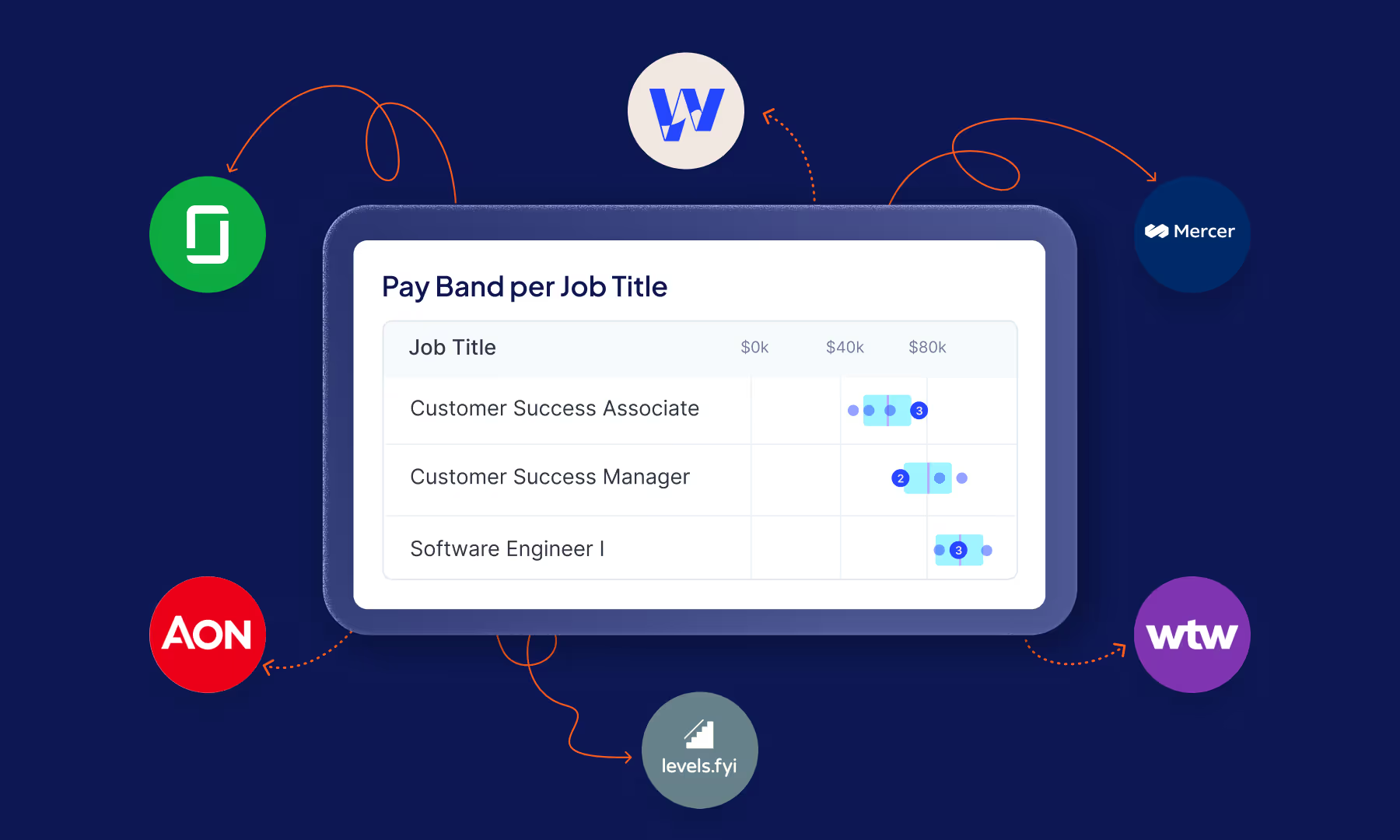
Salary benchmarking compares internal pay to external market data for similar roles.
Benchmarking helps SMBs compete for talent without guessing. It shows where you are below, at, or above market and helps you set or update salary bands. The key is to benchmark by responsibilities and scope, not just job title, because titles vary wildly between companies.
Benchmarking is most useful when it leads to decisions: updating ranges, adjusting offers, or correcting equity and compression issues. For hybrid teams, location and remote pay practices matter, so define your approach and apply it consistently. Benchmark annually at minimum, and revisit for hard-to-hire roles when market conditions shift.
Commonly confused with: compensation management
Benchmarking is an input. Compensation management is the full system for deciding, reviewing, and communicating pay.
Workleap field notes from SMB clients
- What Workleap clients are saying: From conversations with our SMB clients, benchmarking rarely works with one source, and manual benchmarking can feel hard to trust.
- Why it matters: Better benchmarking reduces inconsistent offers and prevents painful pay corrections later.
- In practice: Apeel wanted benchmarking and comp planning to feel less manual and more reliable. They moved to a more structured approach to compensation planning and decision-making. The result was better confidence in the numbers and a smoother planning process. See: Why Apeel made the switch to Workleap Compensation for better compensation planning.
Compensation surveys, salary databases, and reputable market reports. Use sources that match your industry and role scope. If roles are unique, choose the closest comparison and document adjustments.
At least annually, often before pay review season. Benchmark more often for critical roles and high-competition markets. Regular benchmarking prevents large corrections later.
Roles that are hard to hire, hard to replace, or driving revenue and delivery. If offers are being declined, start there. Benchmark where the business is feeling pressure.
Matching titles instead of responsibilities, using enterprise data for SMB scope roles, and ignoring location. Also, making market changes without checking internal equity can create new problems.
Benchmarking informs the ranges you set in bands. Bands provide structure, benchmarking keeps them market-aligned. Together they reduce ad hoc pay decisions.