
7 steps to streamline compensation reviews and retain talent
.png)

Compensation season: Two words that trigger a familiar feeling for HR leaders. Between the messy spreadsheets, manager approvals, and budget balancing, this annual evaluation can end up feeling chaotic and confusing.
Since pay is one of the biggest reasons employees stay at or leave a company, organizations need to clearly communicate how they set rates. If they fail to do so, or if they offer ineffective pay programs, they won’t find or retain top talent.
We’ll explain the step-by-step process for streamlining compensation reviews using a proven framework that balances fairness, competitiveness, and budget realities.
What’s a compensation review?
Usually led by an HR professional, a compensation review is an evaluation of your company’s benefits packages, ensuring that pay is fair, competitive, and aligned with organizational goals. During this process, your team analyzes salary, bonuses, pay equity, total compensation, and potential salary increases to make sure your organization stays competitive in the talent market and refine salary bands.
Though compensation and performance reviews are often associated, they’re not the same thing. A performance review assesses an employee’s work, and a compensation review determines their financial reward.
Types of compensation reviews
An annual compensation review is the most common, but there are others that may come up throughout the year, including the following:
- Promotional compensation reviews occur when an employee moves into a new role, ensuring their new responsibilities, skills, and salary all line up.
- Performance-based salary reviews reward top performers. Typically, these involve merit-based raises and bonuses.
- Market-based compensation reviews use fresh benchmark data to gauge your current pay against what competitors offer.
How to run a compensation review process in 7 steps
Follow this step-by-step guide for how to give employees a salary review.
Step 1: Organize and audit data
It’s hard to draw any insights from data that’s scattered across spreadsheets. So before beginning the review, compile all the data you need into one centralized document or platform, such as Workleap Compensation.
After organizing your compensation data, audit it for accuracy, completeness, and consistency. There might be discrepancies to hunt down or gaps to fill. Doing so proactively eliminates potential manual errors that can compound.
Step 2: Analyze market benchmarks and salary ranges
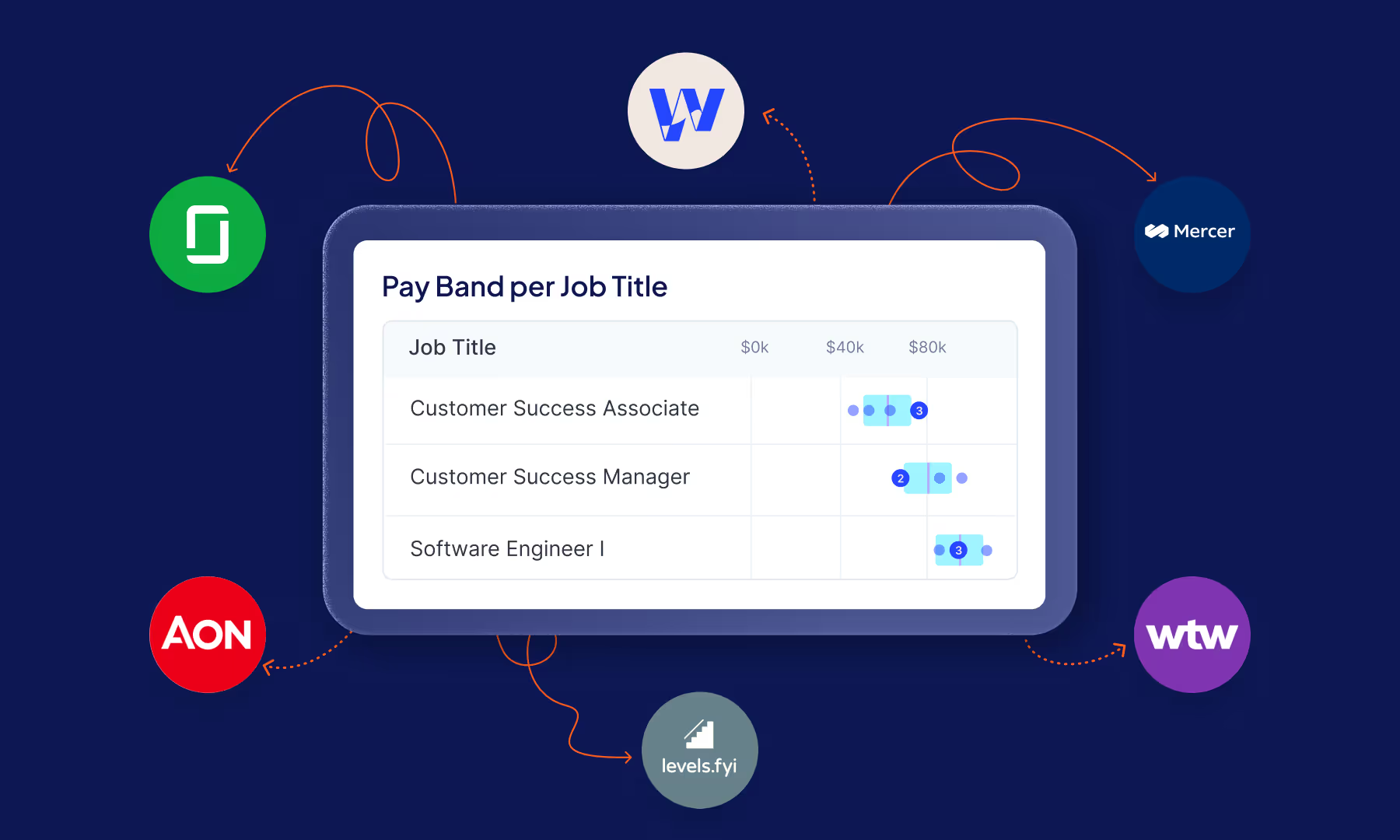
Once your internal data is in order, it’s time to look outward. Gather up-to-date market data from the past 12–24 months to benchmark your compensation packages against the competition. This is where you build (or refresh) your company’s salary bands, so carefully think through the roles you need to hire for and retain.
Next, analyze where your employees fall within these bands so you can identify who’s underpaid and overpaid. Doing so means you can more easily identify the biggest retention risks.
Step 3: Set the budget and calibration criteria
Work closely with your finance team to establish a total budget for salary increases with clear, consistent criteria to guide decisions. Specify how factors like performance ratings, market position (compa-ratio), and internal equity will affect pay. This framework ensures you’re paying teams fairly and within budget.
Step 4: Give managers context
Managers can handle compensation conversations, but their effectiveness tanks if they only have a range to work from. Provide them the full context behind their team members’ compensation by including performance data, market position, internal equity comparisons, and the specific budget guidelines to follow.
When managers are equipped with data-driven insights instead of just a script, they can build trust and turn a potentially tense conversation into a productive one. Bringing the exact market data from recent salary surveys ensures that any negotiation or raise discussion is fair and honest.
Step 5: Review and calibrate
Set a meeting between HR and senior leadership to discuss pay decisions openly. During the talk, identify and challenge any unconscious bias, spot outliers, and point the company toward common objectives.
Step 6: Equity and compliance check
Before finalizing any decisions, run one last comprehensive pay equity analysis through a pay audit. This is your opportunity to catch and correct any remaining pay disparities based on gender, race, and other protected categories. A final check ensures that your process is not only fair on paper but also in practice.
Step 7: Transparent communication and implementation
How you communicate compensation decisions is just as important as the choices themselves. Be prepared to explain the “why” behind every adjustment, and train your managers to hold empathetic conversations with their direct reports to provide clear context about pay.
Once you prepare the conversation, it’s time to work with finance to roll out a smooth and accurate payroll process through automation and specialized software.
Use Workleap’s technology to simplify your reviews
For too long, compensation reviews have been a painful, manual process fueled by spreadsheets and stress. Modern tools like Workleap Compensation turn this outdated model into a data-driven cycle that helps HR leaders make an impact on what matters: attracting and retaining top talent.
The software centralizes all your data in one tool, finally putting an end to messy and scattered insights. Run compensation reviews, track budgets in real time, and check embedded, up-to-the-minute market data to make fair, confident salary decisions.
Explore Workleap to take control of your data management.
FAQ
How long should compensation reviews take?
The timeline for a compensation review can vary from a couple of weeks to a few months. The duration depends on your organization’s size, data management system, and compensation strategy. A thorough process that includes data auditing, market benchmarking, and compensation analysis will naturally take longer but yields better results.
How are salary ranges and pay grades developed?
Companies build salary ranges and pay grades by combining internal job evaluations with external market data. First, brands group similar roles into pay grades based on their internal value to the company. Then, they conduct a compensation analysis using third-party salary surveys to assign a competitive pay range to each grade.
How do I conduct a compensation analysis?
A compensation analysis involves comparing your company’s salary data against external market data to assess competitiveness. Benchmark your key roles, analyze your pay structure (preferably within your industry), and work to find any pay gaps. It’s the foundation of any data-driven compensation review because it ensures your decisions are fair, strategic, and transparent.









.png)
%202%20(1).png)