Diversity & Inclusion Survey Template
Discover how your team feels with regards to diversity and inclusion.
.avif)
Inclusive survey questions to strengthen diversity at work
Building an inclusive workplace requires more than just assumptions about how employees feel. You need to hear about their experiences directly, and inclusive surveys are one of the best ways to do it.
Inclusive survey questions help you discover your employees’ views and experiences around diversity, belonging, and equity at work.
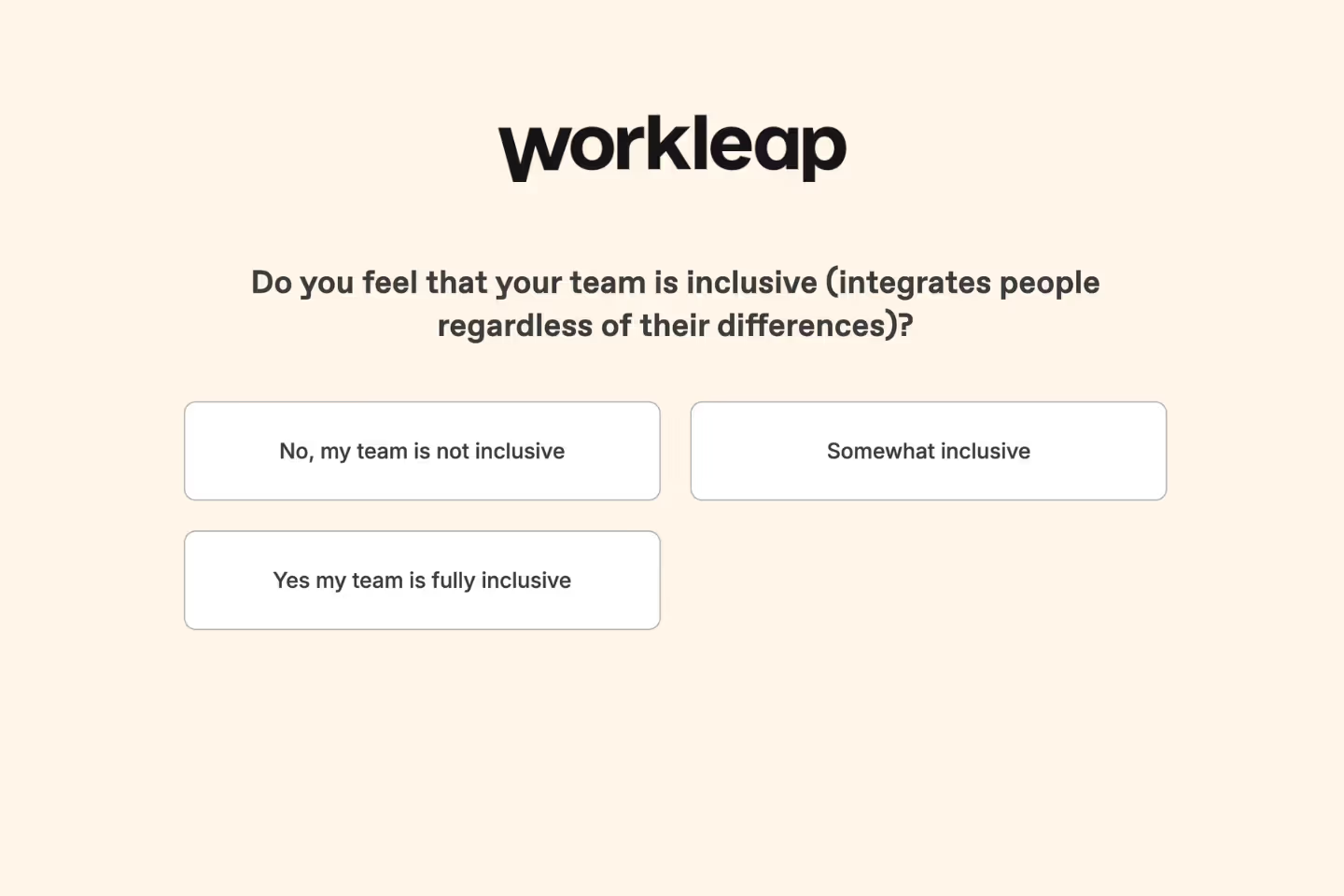
Our Diversity and Inclusion Template, available on Workleap Officevibe, makes conducting these surveys easier. This template strengthens diversity, equity, and inclusion (DEI) initiatives and helps diverse workforces thrive.
Why inclusive surveys matter for diversity and belonging
Building a better workplace means asking tough questions about diversity and inclusion so you can tap into what people actually experience — both what they see and how they feel.
An inclusive employee survey gathers feedback from everyone on your team about how they perceive DEI at your company. It prioritizes accessibility and neutrality, and represents voices across gender identities, sexual orientations, ethnicities, and other demographics.
Inclusive surveys differ from traditional employee surveys. Rather than monitoring engagement or satisfaction, their primary goal is to inform the organization’s DEI policy. They use intentional language that carefully asks about sensitive topics. You can also choose to segment anonymous answers by demographic to identify disparities in your employees’ experiences.
Here are three major benefits of inclusive surveys:
- They’re objective: Workplace diversity surveys objectively monitor representation and fairness at your organization, helping you identify DEI gaps.
- They’re a safe space to speak up: These surveys establish trust and boost your team’s sense of safety. They let people share their experiences without fear of discrimination or bias.
- They help you lead with insight: Inclusive survey questions give you the clarity you need to guide DEI initiatives and build an inclusive culture.
10 diversity and inclusion survey questions to ask
If you’re thinking of drafting your own inclusive survey, these 10 questions are a great starting point.
Representation and Diversity
- How well do we reflect a mix of gender, sexual orientation, race, and ethnicity across all levels of the organization?
- Do you feel like your background and identity are valued at this company?
Psychological Safety
- Do you feel you’d be able to voice concerns about bias, microaggressions, and discrimination without negative consequences?
- Do you believe your manager listens empathetically and takes feedback about sensitive topics seriously?
Equity and Fairness
- Do you feel that growth, pay, and promotion opportunities are equitable across all demographic groups?
- Do you think that performance is measured and rewarded fairly within your team?
Inclusive Leadership
- Do your leaders actively support DEI initiatives and model inclusive behavior?
- Do you believe leadership adequately considers diversity when they’re shaping policies?
Sense of Belonging
- Do you feel comfortable being your authentic self at work?
- How supported do you feel by your peers and managers when expressing your unique perspectives?
Sign up to use the Diversity & Inclusion template

How to design and deliver DEI surveys
No matter how good your intentions are, a poorly designed DEI survey can exclude the very people you’re trying to reach. That’s why every question you ask, and how you ask it, matters.
Create a survey that supports stronger diversity and inclusion with these best practices:
- Mix up your survey questions: Relying on only one type of question limits the kind of data you receive. You could be missing out on important subjective comments or objective metrics. Paint a fuller picture by using a mix of rating scales, short-answer questions, and yes/no formats.
- Be clear on why you’re asking these questions: Letting your team know why you’re gathering feedback helps them buy into the process, making them more likely to engage honestly.
- Keep it short and meaningful: When a survey is too long, it can kill engagement and response rates.
- Close the loop: Act on what you learn and show your employees how their responses shape changes in your company’s DEI policy.
Use the Workleap Diversity and Inclusion Template
Whether you’re creating an employee survey or drafting diversity and inclusion interview questions, building an inclusive workplace is easier when you have the right tools at your disposal.
The Workleap Diversity and Inclusion Template, available through Workleap Officevibe, helps you use surveys to gather meaningful data that drives change. Workleap has several useful tools for fostering diversity and inclusion:
- Officevibe gathers authentic feedback from employees
- Performance connects that feedback to the team’s goals and growth
- Compensation uncovers pay-related drivers of employee satisfaction
Together, these Workleap tools make workplace DEI measurement simple, scalable, and action-driven.
