Team Spirit Survey Template
Get data on the team’s working dynamic to strengthen team spirit.
Team survey questions to boost collaboration and performance
Employee surveys are a reality check. They’re a structured way of finding out how your team feels about their colleagues, environment, and workflows.
The right team survey questions are an opportunity to start real conversations about how to level up your workplace. When thoughtfully designed, employee surveys identify your team’s strengths, weaknesses, and any hidden challenges.
If you’re interested in launching an associate engagement survey or team satisfaction questionnaire but don’t know where to start, try the Workleap Team Survey Template for Officevibe. It’s one of the fastest ways for HR leaders and managers to understand team engagement, morale, and alignment.
Why team feedback surveys matter for collaboration and trust
An employee survey is a simple way of finding out how your staff feels about the company, their work, and their teammates. Through thoughtful questions, these surveys evaluate how well people communicate and collaborate.
Think of it as a checkup on employee satisfaction, engagement, and your company culture. The results will show where motivation is high and what’s blocking collaboration. That’s some pretty valuable insight for anyone looking to build a better workplace.
15 ready-to-use team survey questions
Whether you’re sending out an employee engagement questionnaire or a satisfaction survey, asking the right questions is crucial.
We’ve put together 15 ready-to-use options to help you measure what matters, from employee survey questions about management to prompts about collaboration.
Team collaboration and communication
- How clear are our team goals, and do you know what success looks like each week?
- What helps your team collaborate when your schedules or locations differ?
- How confident are you that information flows effectively at work?
Trust and psychological safety
- How comfortable do you feel sharing feedback or new ideas with your peers?
- Do you believe your teammates listen and act respectfully when their opinions differ?
- What would make it easier for you to speak up when you think something is wrong?
Goal alignment and effectiveness
- How well do your team’s goals connect to the company’s overall objectives?
- Are there any factors that influence your team’s ability to focus on its priorities?
- Do leaders effectively review and celebrate your progress toward your goals?
Engagement and motivation
- What part of your work gives you the most job satisfaction?
- Does your current work-life balance help you feel motivated in your work environment?
- What could your manager do to support the employee experience at work?
Management and improvement
- What do you think could improve employee retention and decrease turnover?
- What kind of employee feedback helps you grow the most?
- How well does your manager act on insights from past employee satisfaction surveys?
Sign up to use the Team Spirit template

8 best practices for designing effective team surveys
Here’s your playbook for creating questionnaires that engage employees and gather insightful intel.
- Start with a clear goal: Before writing any questions, ask yourself what you want to learn. Are you measuring trust? Collaboration? Employee satisfaction? Your answers will shape your survey.
- Ask smart survey questions: The best questionnaires collect data and details in a range of formats. As well as binary “yes/no” questions, use multiple-choice, numerical scale, and more open-ended prompts.
- Keep it short: People have short attention spans, so keep it short and sweet. A survey that takes under 10 minutes to complete is more likely to get thoughtful responses.
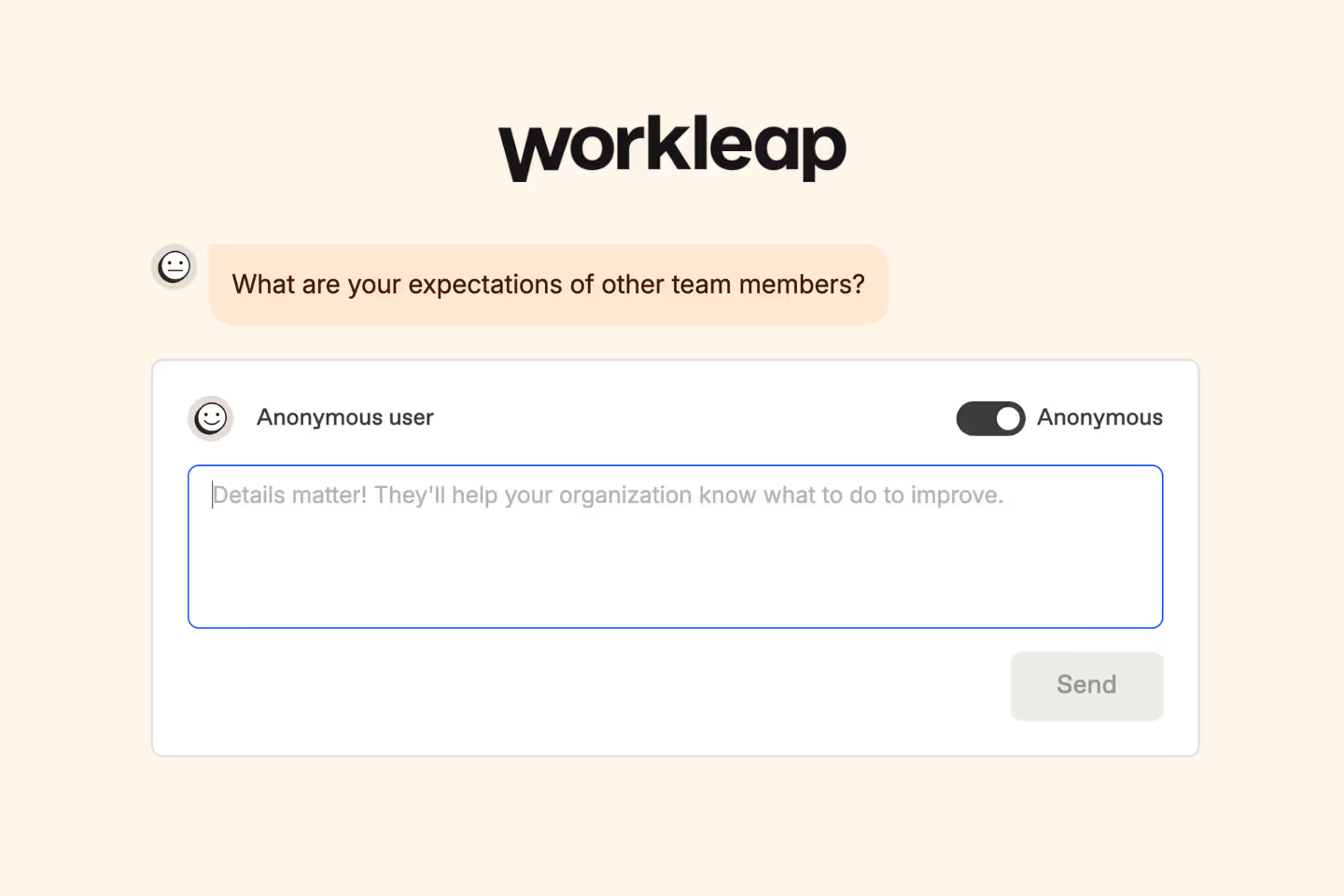
- Protect anonymity: Consider making answers anonymous to boost trust in the process. Make sure your team knows their responses won’t come back to bite them.
- Make it inclusive and accessible: Use plain language and easy-to-understand questions. Everyone should be able to participate, no matter where they live or what their role is.
- Pick the right timing and cadence: Quarterly employee satisfaction surveys are helpful, but shorter, more regular pulse analyses can capture changes in opinion as they happen.
- Communicate purpose and follow up: Tell people why the survey matters and how you’ll use their feedback. Be sure to also share the results and explain the actions you’re taking.
- Let Workleap do the heavy lifting: Workleap’s AI-powered tools make conducting surveys easier. Plus, Workleap AI can help summarize feedback and suggest recommended actions based on your team’s needs.
Try the Workleap Team Survey Template today
Building a staff engagement survey from scratch takes time and research. The Workleap Team Survey Template for Officevibe streamlines this process with its ready-to-use, customizable, research-based format that’s designed to boost collaboration.
It’s the perfect complement to Workleap’s suite of tools, each of which helps you to understand and meet your people’s needs. Collect employee feedback with Workleap Officevibe, and connect those insights to your team’s outcomes with Workleap Performance. And use Workleap Compensation to highlight the pay and recognition factors shaping job satisfaction.
Run your next team survey with Workleap and watch your employee engagement skyrocket. Demo Officevibe and try out the template today.
FAQs
How often should I run team surveys?
Many organizations only survey their team once a year. But employee data on satisfaction and engagement can quickly become outdated. Adding quarterly or monthly check-ins and pulse surveys will help keep you in the know.
What’s the ideal length for a team survey?
Shorter surveys tend to have higher completion rates. Ideally, a pulse survey should have up to 15 questions and take under 10 minutes (if it takes 5 minutes to fill out, even better!). A more formal survey could run longer, but should still be focused.
How do I ensure anonymity and trust?
Be upfront with your team about the purpose of a survey and make sure they’re aware their answers are anonymous. Make sure to word questions in such a way that answers won’t identify anyone. This will help your employees feel safe speaking up.
What types of team survey questions work best?
The best survey questions are relevant and actionable. They mix formats, including yes-no questions, scaled answers and open-ended prompts. Ask about things you can actually influence, like how well your team communicates and how engaged they feel with their work.
How can I interpret and act on team survey results?
Look for patterns in survey results to see where you can improve. Then, share what you’ve found and how you’ll respond. Make it a cycle: survey, act, follow up. That way, your employees will know their voice matters.
