Culture Assessment Survey Template
This survey will help you collect employee sentiment on your culture and reveal gaps between values.
.avif)
Culture Assessment Survey Overview
A good company culture comes from more than feel-good mission statements and a list of values. To foster a collaborative team, you’ll need a clear picture of how your people work together.
Corporate culture surveys highlight what’s driving employee satisfaction, productivity, and retention. Instead of building a survey from scratch, use Workleap Officevibe’s Culture Assessment Survey Template to learn more about employee sentiments and how leadership can create a better environment.
What’s a culture survey?
A corporate culture survey measures engagement levels, often determining an employee’s satisfaction with their colleagues, roles, and work environment. With gathered feedback about how people feel about your workplace, you can see which engagement drivers work and which need fine-tuning.
5 benefits of organizational culture surveys
Here’s how corporate culture surveys help leaders build a healthier company.
1. Spot strengths and identify what needs attention
With Workleap’s survey template, you can craft questionnaires that get a pulse on what’s going well and what could go better. Listen to your employee’s feedback on daily experiences, team dynamics, and more to make informed decisions.
2. Check alignment between leadership and staff
Strong company cultures rely on leadership and employees being on the same page. A survey’s insights show how people feel about management and the values of an organization. With this feedback, you gain clarity on how your team feels and where changes can be made.
3. Improve employee engagement and satisfaction
A work environment survey tells you all kinds of details about people’s motivations and what may be holding them back. Promote employee engagement by listening and acting on their career goals and where you can lend a helping hand.
4. Boost inclusion and belonging
Employee surveys are a great way to see if your team feels respected, supported, and included. The insights you collect will show how strong the sense of belonging is among colleagues, giving you more strategies to build an inclusive workplace culture.
5. Improve communication and strategy
Better communication starts with knowing what your team needs from you. A survey can reveal how your employees best communicate and prefer to receive information. With this knowledge, leadership can proactively highlight communication gaps and support their staff.
Corporate culture survey questions to include
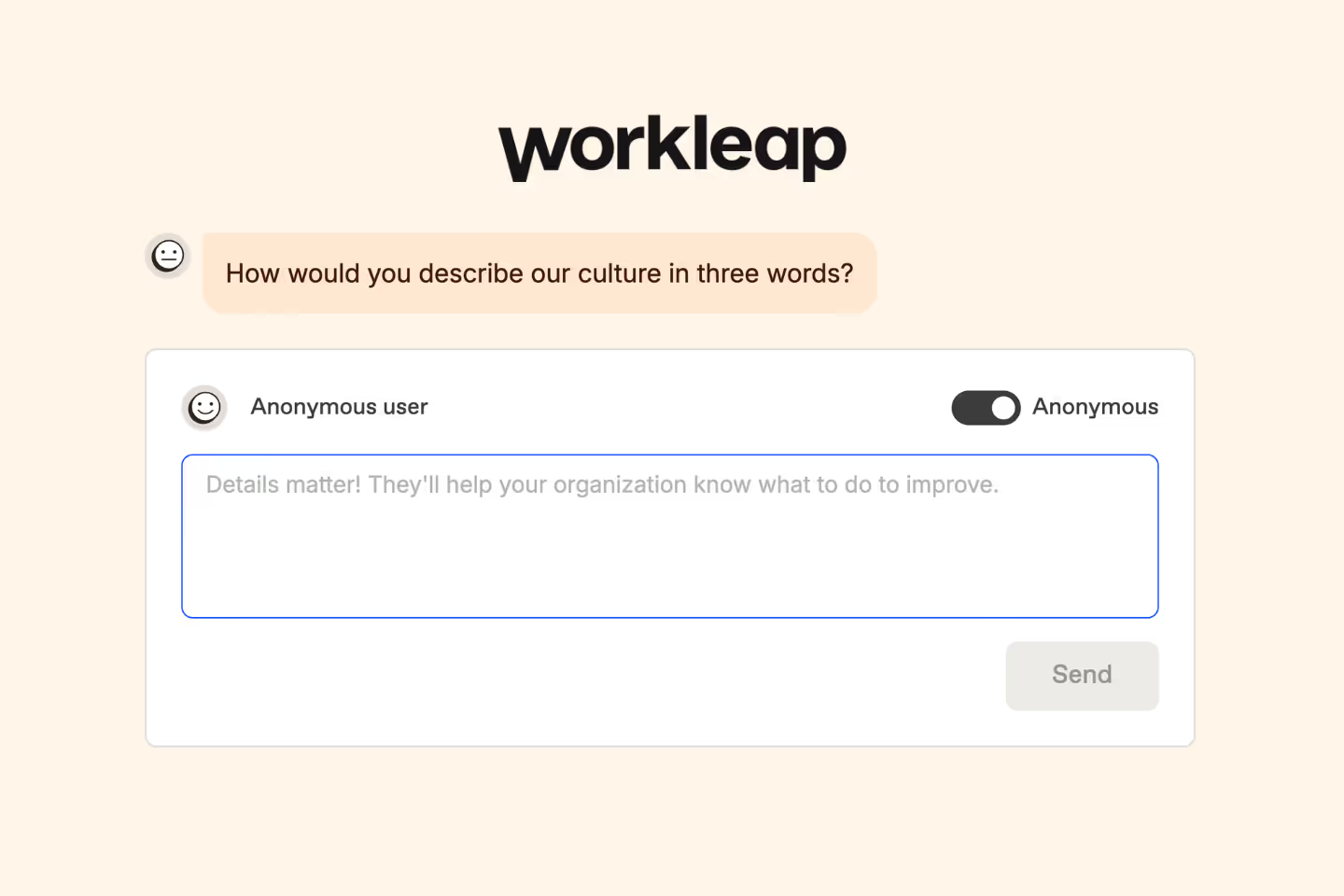
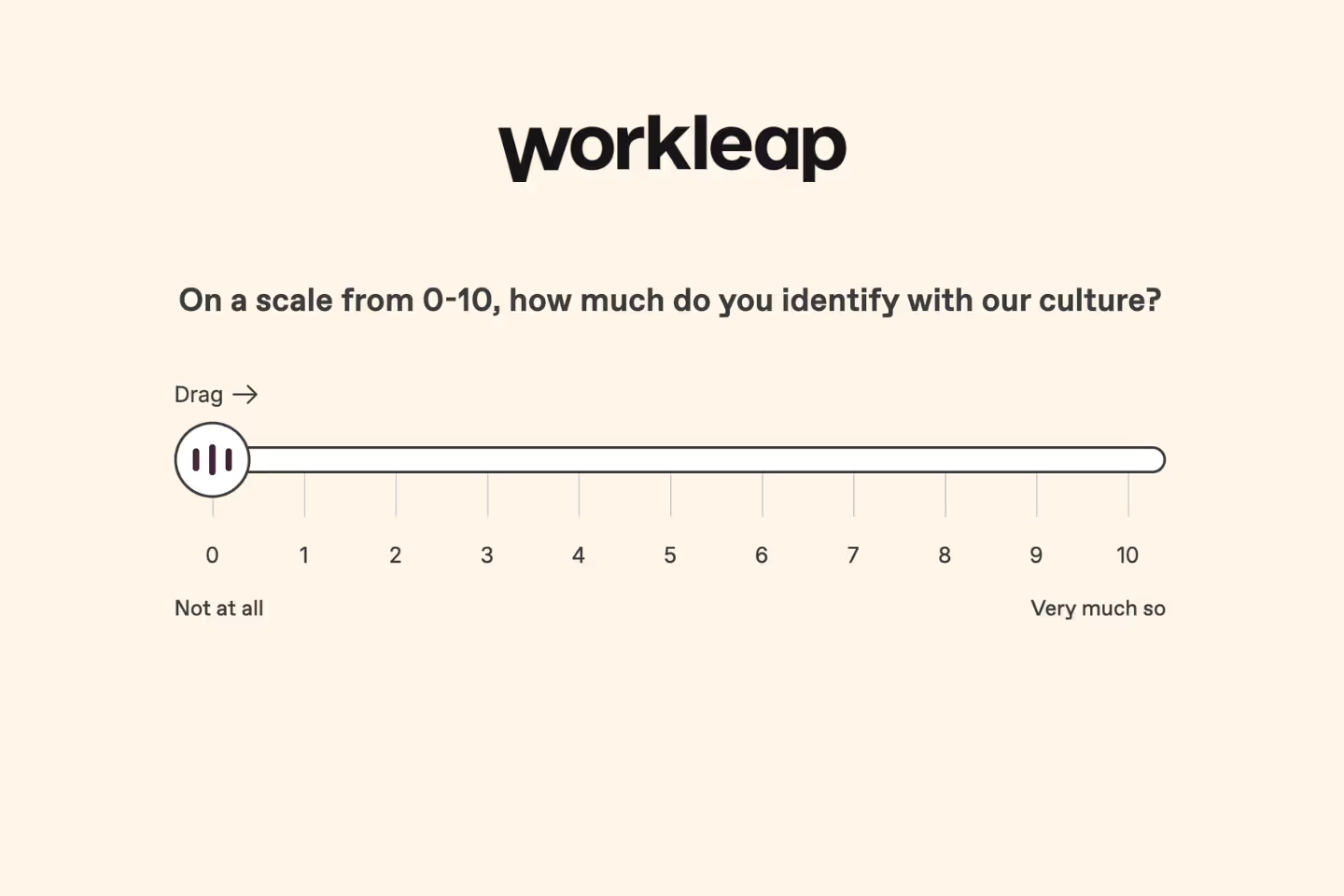
Great pulse surveys use a range of culture assessment questions, including open-ended, scale, and multiple-choice. This variety lets you deep dive into how employees experience your company values.
Here are 10 questions to ask:
- How well does our workplace culture help you stay motivated day-to-day?
- How clearly do you understand what your company culture expects from you?
- Which company values feel most present in your work environment?
- How confident are you that leadership can scale our culture?
- How would you rate the communication across your team?
- How supported do you feel in achieving work-life balance?
- Are you comfortable giving your honest opinions about our organizational culture?
- On a scale of 1 to 10, how fair and inclusive do you think our work environment is for employees from different backgrounds?
- What behaviors or practices help you feel connected to our company values and mission?
- What do you think would improve employee engagement across your team?
Sign up to use the Culture Assessment template
Best practices for conducting corporate culture surveys
While running a corporate culture survey isn’t complicated, it does take a little effort. Here’s how to make sure it’s worth everyone’s time:
- Run surveys regularly: Culture can change fast, so checking in once a year won’t cut it. Quarterly pulse surveys help you see what’s shifting across your organization.
- Tell people what you’re doing: Include a quick note about the “why” when you send out a survey. Stay transparent about the feedback you’re gathering.
- Keep the questions relevant: Focus on recent information that will help you understand the current workplace culture.
- Guarantee anonymity and mean it: The most honest answers happen when your staff feels safe. Protect their privacy to encourage open feedback about their work environment.
- Use tools to help you stay on top of trends: Workleap’s Officevibe helps you conduct surveys easier with real-time analytics to see if the company values are felt by all.
- Share what you learned and what’s changing: Your culture will improve when your team knows their voices are heard. Be transparent about your survey findings, and keep everyone updated on the positive changes you plan in response.
FAQs
What does a good company culture look like?
A good company culture looks like employees feeling supported and empowered to do their best work. By defining what your company stands for, listening to your people, and bringing that culture to life through clear communication and action, you create a culture where members feel like they belong.
What is the difference between a company culture survey, an employee engagement survey, and an employee satisfaction survey?
While a company culture survey digs deep into everyone’s perceptions of your company’s environment and leadership, engagement and satisfaction surveys measure how involved an employee is in their role and if they’re finding fulfillment.
