Stay Interview Survey Template
Survey your team with our stay interview template to find out how you can retain your valued talent.
Stay Interview Survey Template
Want to know what really keeps your team engaged? A stay interview or questionnaire is a great way to uncover what motivates employees, how they do their best work, and what boosts their morale.
Workleap Officevibe’s Stay Interview Survey Template makes it easy to gather insights you can act on. With thoughtful questions and a ready-to-use structure, this survey template will help you cut down on exit interviews and boost retention where it matters most.
What’s a stay interview survey?
A stay interview survey is a structured set of questions you send employees to understand why they stay, what keeps them engaged, and what might cause them to leave. Instead of relying on one-on-one conversations, a survey format lets you gather the same type of insights from more people, more consistently.
Just like a traditional stay interview, the goal of the survey is retention — uncovering what motivates employees, how they feel about your company's culture and health, and what changes would improve their day-to-day experience.
Using a standardized questionnaire like Workleap’s Stay Interview Survey Template helps you collect comparable data at scale and turn employee feedback into clear priorities for strengthening your culture and keeping top performers.
5 reasons to use a stay interview template
Stay interviews work best when structured with thoughtfully crafted questions and an objective framework. Workleap’s Stay Interview Survey Template is designed to collect open-ended and measurable data, letting managers identify engagement drivers early. This actionable feedback is useful for one-on-one meetings or as a survey employees fill out on their own time.
Here are five reasons why using a template with structured stay interview questions matters:
1. Spot disengagement before it spreads
You can’t fix what you don’t see coming. A well-timed stay interview helps detect early signs of burnout and frustration. Catching problems early helps prevent low morale and keeps employees feeling connected.
2. Build real trust through open conversations
Stay interviews give employees the opportunity to speak candidly and transparently. For managers, these conversations offer a chance to listen, learn, and lead with empathy.
3. Learn what keeps your best people
Every company has its superstars, the people who lift the team up and set the tone. Structured stay interview questions are a great way to find out what motivates those power players to stay, whether it’s career growth opportunities or a work-life balance that can’t be beat.
4. Design personalized employee retention strategies
Including employee retention questions in your questionnaire makes it easier to learn what’s working and what’s not. With those insights, managers and HR can design personalized development paths, recognition programs, and support systems instead of another generic policy update.
5. Turn feedback into action
Nothing kills trust faster than not acknowledging employee feedback. Workleap’s Stay Interview Survey Template gathers important sentiments from team members. And Workleap Officevibe can help turn these insights into a game plan, closing the loop between what’s said and what happens next.
Sign up to use the Stay Interview template
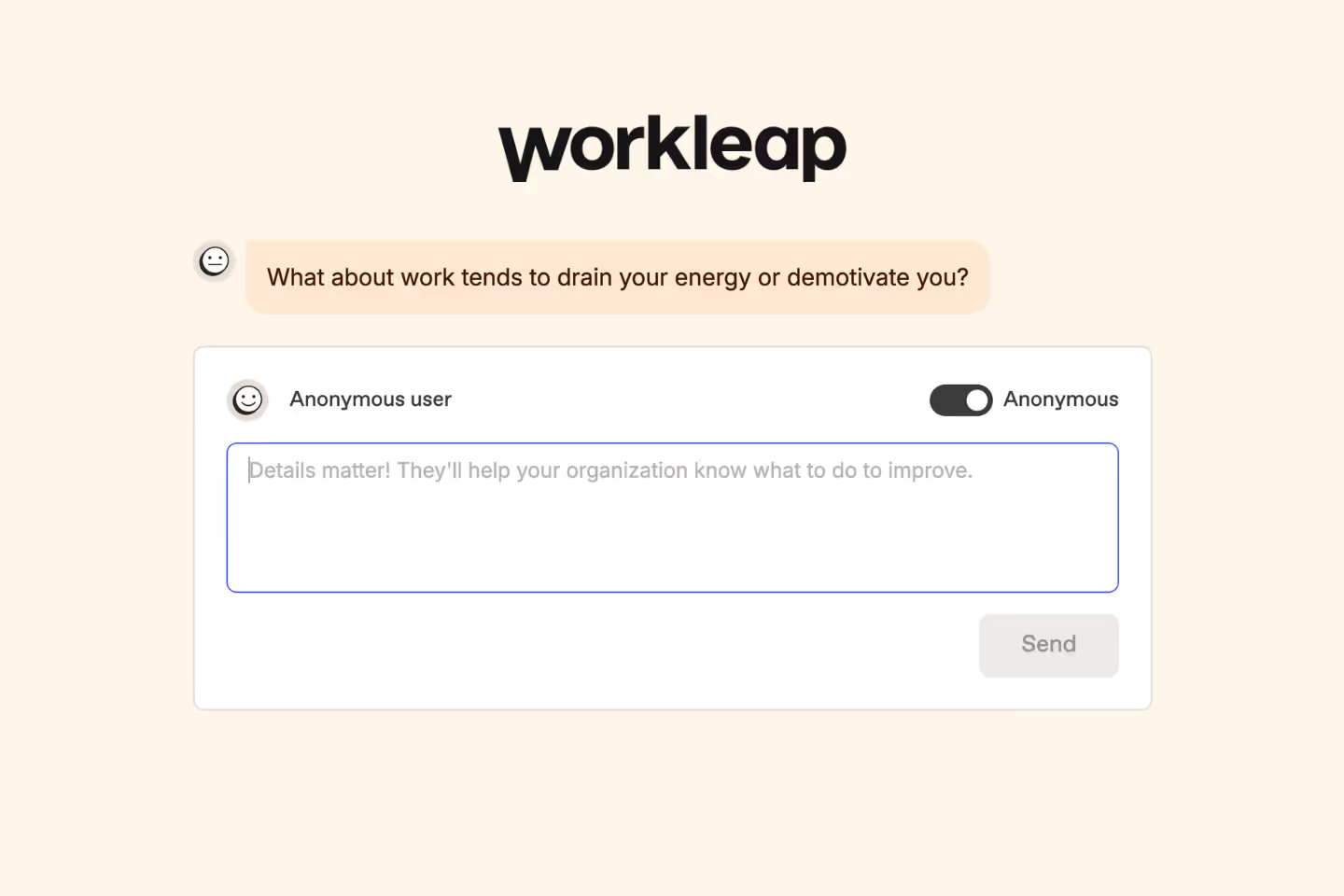
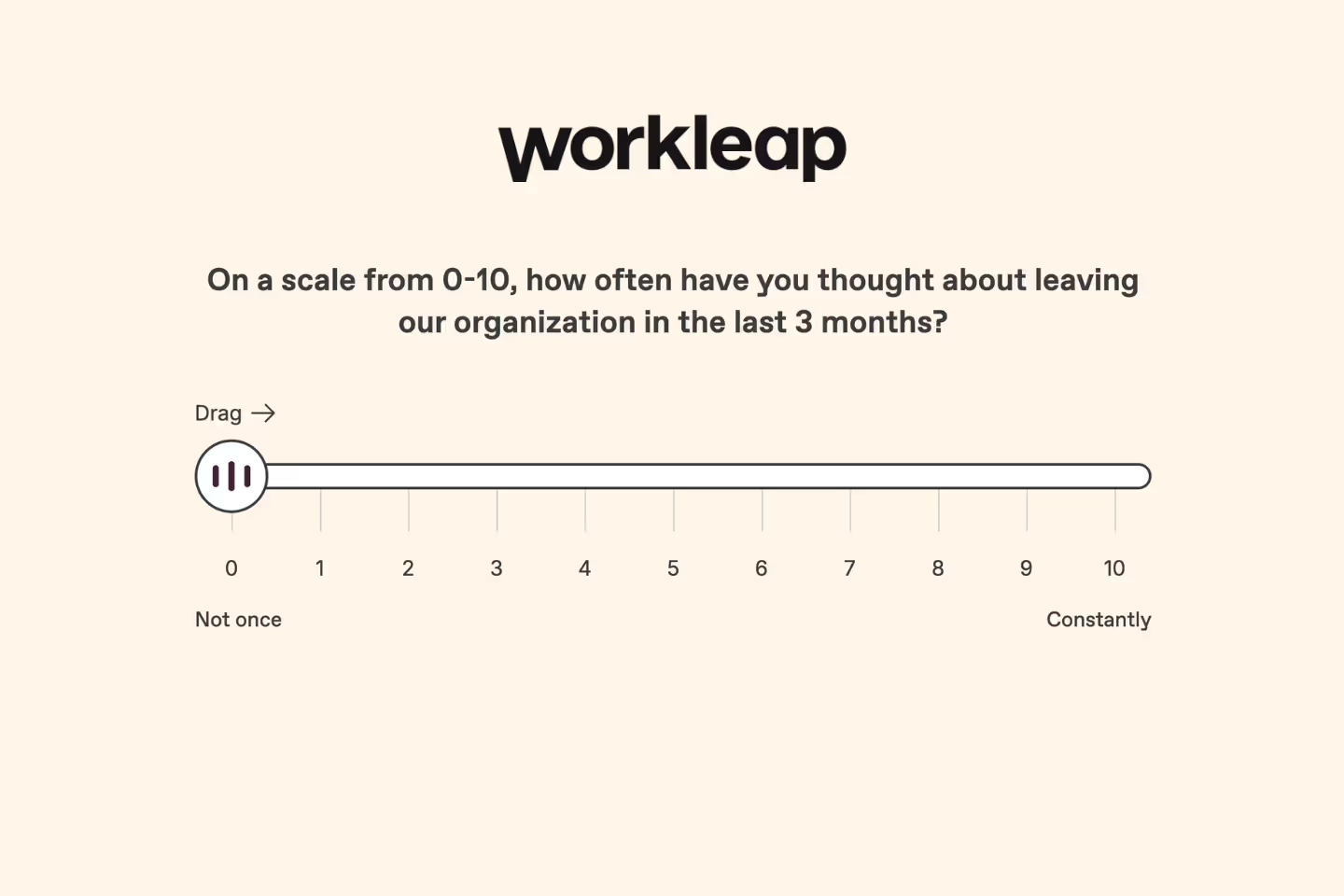
6 best stay interview questions
Asking the right stay interview questions makes all the difference. With Workleap’s template, you can use the questions as-is in a survey or 1:1. You can also customize the questionnaire to suit your needs. Here are six example questions.
Open-ended questions
These prompts generate real feedback about your team dynamics and motivation.
- What part of your work makes you feel the most proud?
- How can your manager support you better in the office?
- What’s one thing that would make your work life more satisfying?
Opinion scale questions (1-5 scale)
Scale-based stay interview questions make it easier to gauge employee engagement over time.
- I feel confident that my contributions make a difference to the team.
- I see opportunities for growth and development in my role.
- I feel supported in maintaining a healthy work-life balance.
How to conduct a stay interview using the Stay Interview Survey Template
Here’s how managers and HR leaders can use our survey template for data collection to gather employee feedback and drive retention:
- Set clear goals: Know what information and data you’re after.
- Choose who and when: Interview your direct reports or employees at key milestones like work anniversaries or after a promotion.
- Be upfront about the purpose: Let your team know the stay interview is about improving the employee experience.
- Use the template: Workleap Officevibe’s Stay Interview Survey Template includes useful questions to guide the conversation.
- Listen and act: When you capture honest employee feedback, document it — and then take action.
- Try Workleap Officevibe: Use our platform to support continuous feedback, track employee engagement trends, and run custom surveys.
FAQs
How often should you conduct stay interviews?
At a minimum, we recommend performing a stay interview every six months to proactively identify any issues employees may be experiencing.
Who should lead a stay interview?
A traditional stay interview should be led by the employee’s direct supervisor, since they have the most insight into their team member’s daily experiences. If you swap the in-person interview for a well-crafted survey, you can collect the same insights from the entire organization in one go.
How long should a stay interview survey be?
Employees should be able to complete a stay interview survey in no more than five minutes. To keep completion times within that range, limit yourself to 5–10 questions, mixing open-ended and opinion-style to give them a space to write honest answers without demanding too much of their time.
What are the challenges of conducting a stay interview?
Some challenges include feedback not being put into action, employees fearing backlash for answering honestly, and managers feeling intimidated by the interview process. Using a survey instead of an in-person interview can ease pressure, encourage candor, and help standardize responses for follow-through.
